October 4, 2026

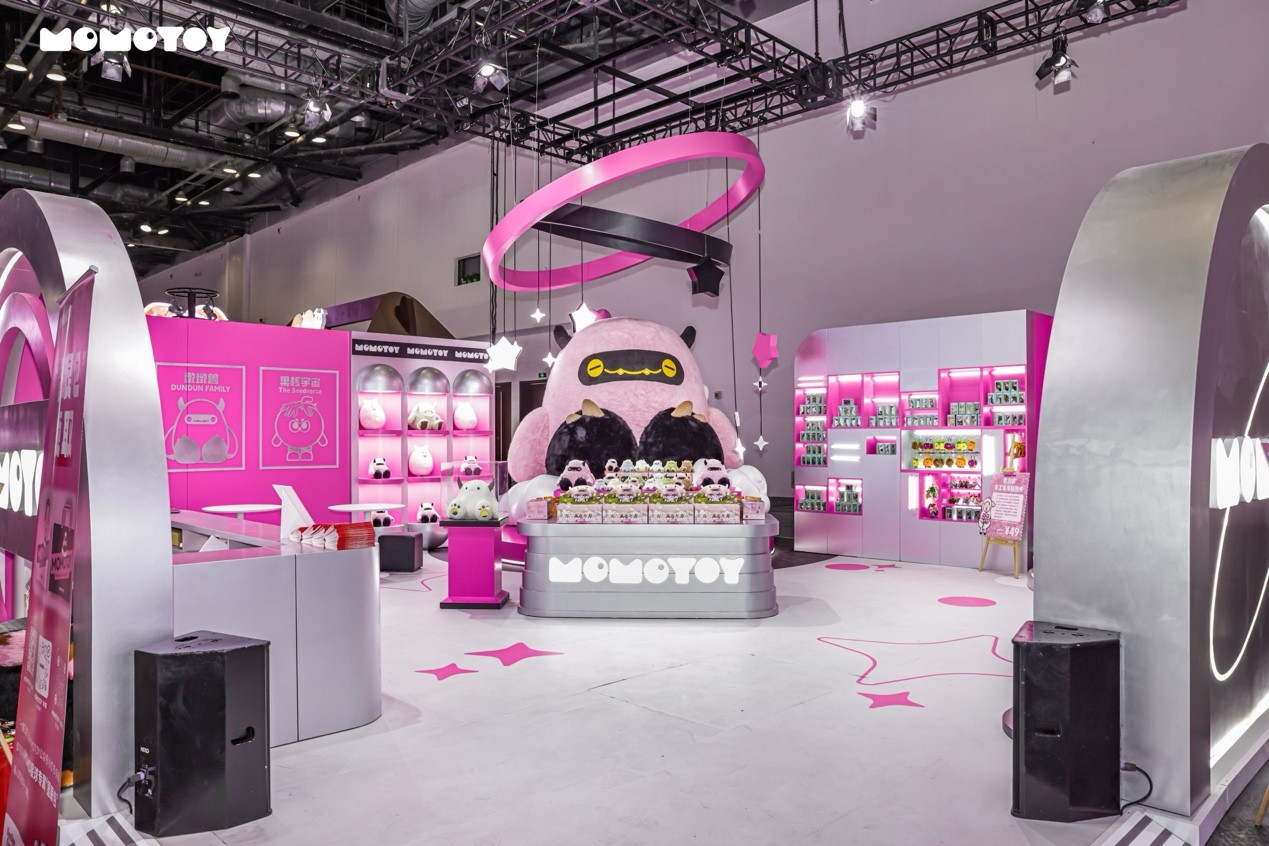
The 2026 fair saw the high-profile U.S. debut of MOMOTOY, a creative platform that integrates AI, original IP, and youth culture. MOMOTOY's approach represents a shift from "toys with tech added" to "tech-native toys". Their products are powered by:
Affective Computing: Enabling toys to sense and respond to user emotions.
Voice Interaction and Cloning: Allowing for multi-language conversations and personalized "exclusive companion" experiences.
Character Customization: Transforming physical collectibles into interactive storytellers.
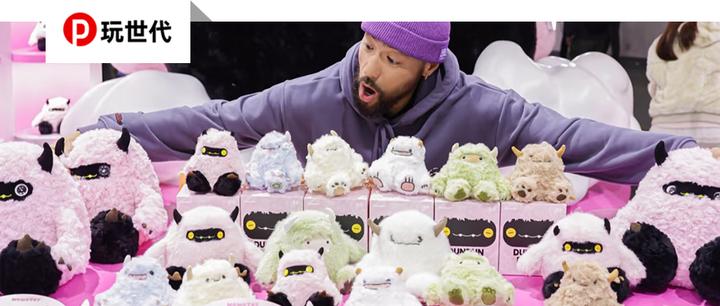
Their primary IPs include the popular DUNDUN FAMILY, along with Pear-Us, The Seedverse, and The Soft Forest Tales.
Advanced Emotional Interaction: Unlike traditional toys, these products use "affective computing" and emotion recognition to sense and respond to a user’s actual mood.
High Personalization: Features like voice cloning and character customization allow the toy to become a personalized "exclusive companion," fostering a long-term emotional connection.
Multi-Language Capabilities: The AI supports multi-language conversations, making it accessible to a global audience and useful for language learning.
Support for Creators: MOMOTOY launched a "Global Young Artists Incubation Program" that provides scholarships, co-creation projects, and revenue-sharing for emerging artists.
Collector Appeal: The brand bridges the gap between high-end art and play, featuring limited editions like a 99.9% pure gold DUNDUN figure.
Privacy and Security Concerns: Like many AI-powered toys, MOMOTOY products collect sensitive data, including voices and interaction patterns. Industry experts warn that AI toys are often "wolves in sheep's clothing" regarding data privacy.
Vulnerability to Breaches: While MOMOTOY claims secure processing, the broader AI toy category has seen major failures; for instance, the AI toy "Bondu" recently exposed 50,000 private chat logs due to a simple authentication flaw.
Impact on Child Development: Child advocacy groups like Fairplay argue that AI companions can "prey on children's trust" and displace the "imaginative labor" of traditional play where kids create both sides of a conversation.
Stifling Creativity: Some experts worry that because AI toys drive play through preloaded scripts and prompts, they may actually stifle the development of emotional regulation and problem-solving compared to analog toys.
Technical Dependency: These toys typically require a Wi-Fi connection and a companion app for full functionality, making them vulnerable to "hallucinations" or inappropriate responses if the underlying AI model isn't strictly gated.
Copyright © 2026 TDmonthly®, a division of TOYDIRECTORY.com®,
Inc.